
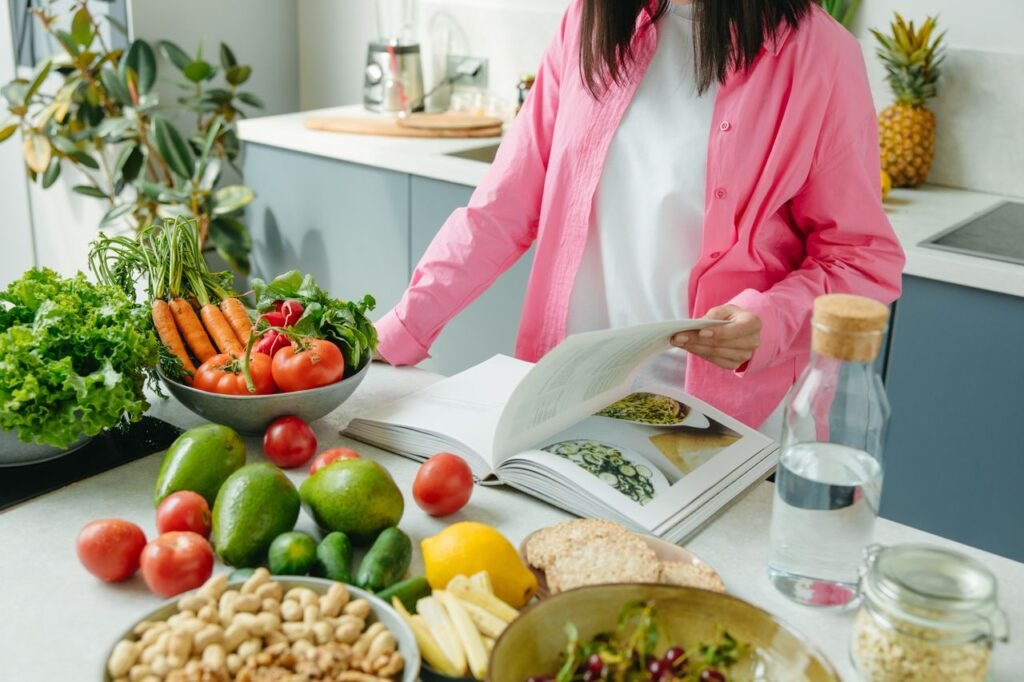
Living with an Ostomy does not mean you have to give up enjoying food. After surgery, your digestive system may need time to adjust, and some foods may affect you differently than before. A few simple habits can help you eat comfortably, stay hydrated, and get the nourishment your body needs.
The most important rule
There is no single diet that suits everyone with an Ostomy. Your needs depend on the type of Ostomy, the surgery you had, your recovery, and how your body responds to food. Follow your surgeon’s or dietitian’s advice, especially during the early weeks.
1. Why nutrition matters after Ostomy surgery
Your body needs energy, protein, fluids, vitamins, and minerals to heal and stay strong. Eating enough and choosing foods you tolerate can support recovery, help maintain a healthy weight, and make it easier to manage changes in output.
-
Support healing and help maintain strength and energy.
-
Replace fluids and salts that may be lost, especially with a high-output ileostomy.
-
Help you identify foods that suit your digestion and pouch routine.
-
Reduce the risk of problems caused by dehydration or food blockage.
2. Eating in the first few weeks
Immediately after surgery, your care team may recommend a temporary low-fibre or low-residue diet. This means choosing softer, easier-to-digest foods while swelling settles and your bowel recovers. The timing varies, so use the plan given by your healthcare professional rather than following a fixed number of weeks.
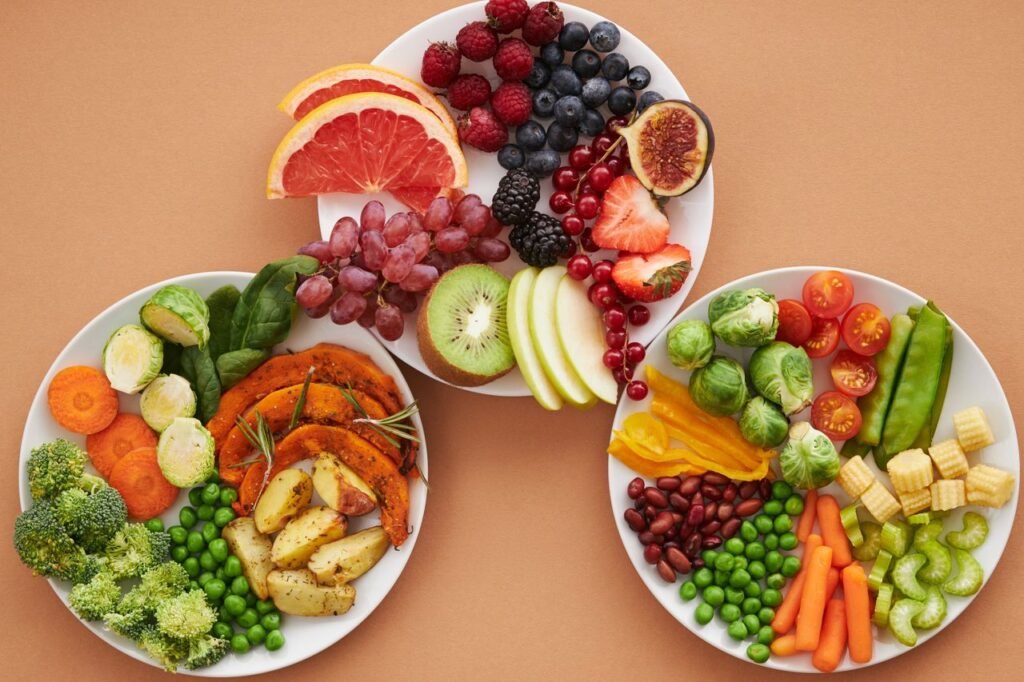
Foods that may be easier to start with
-
After surgery, your healthcare team may recommend a temporary low-fibre or low-residue diet. Depending on your prescribed diet and tolerance, examples may include soft, well-cooked rice, plain idli, soft poha, or other easily chewed foods. Dosa, upma, chapati, and other foods may need to be adjusted according to their ingredients, texture, and fibre content. Introduce foods gradually and follow your surgeon’s or dietitian’s instructions.
-
Well-cooked vegetables such as lauki (bottle gourd), pumpkin, carrots, or peeled potato; avoid tough skins and strings during early recovery.
-
Soft, well-cooked vegetarian protein foods such as moong dal, thin dal, mashed tofu, paneer, or smooth curd/yogurt if tolerated. Start with small portions; pulses may increase gas for some people.
-
Ripe banana, stewed or peeled apple, or other soft fruit that you tolerate.
-
Plain curd, yogurt, or buttermilk if tolerated; choose lactose-free options if dairy causes symptoms.
-
Non Vegetarian Options include: Tender chicken, fish, eggs, tofu, or other protein foods that you tolerate
Indian food ideas from different regions
These are examples, not a strict diet plan. Choose soft, well-cooked, mildly seasoned versions and start with small portions. During early recovery, your surgeon or dietitian may advise a temporary low-fibre diet; avoid ingredients or textures they have told you to limit.
|
Region |
Gentle food ideas to consider |
|
North India |
Soft moong-dal khichdi; well-cooked rice with thin dal; soft light cooked phulka without tough edges; mild lauki or pumpkin sabzi. |
|
West India |
Soft poha; well-cooked moong-dal khichdi; mild dal with rice; soft handvo only if tolerated and not too fibrous. |
|
East India |
Soft rice with thin moong dal; lightly seasoned rice-and-dal khichri; steamed or gently cooked fish for non-vegetarians, if eaten. |
|
South India |
Plain idli; soft dosa; rice kanji/congee; mild, thin sambar only if lentils and vegetables are tolerated. |
|
North-East India |
Soft rice porridge; plain rice with well-cooked, mild vegetables; soft tofu or egg if eaten and tolerated. Keep fermented, very spicy, or fibrous dishes for later if they trigger symptoms. |
As you recover, add foods back gradually try a small portion of one new food at a time. Chew thoroughly and notice how your body responds. Do not permanently avoid nutritious foods unless they cause symptoms or your clinician recommends it.
Vegetarian protein sources to include (Considering Vegans/Personal Beliefs & Preferences/Religious Sentiments)
Protein supports healing and helps maintain strength. Depending on your tolerance and the stage of recovery, try small portions of these options:
Moong dal or thin, well-cooked dal; strain or mash it if your clinician recommends a smoother texture.
Soft khichdi made with rice and moong dal.
Paneer or soft tofu, lightly cooked and mildly seasoned.
Plain curd, yogurt, or lactose-free yogurt if dairy is tolerated.
Milk or fortified soy milk if tolerated and suitable for you.
Besan chilla or soft steamed dhokla in small portions if tolerated; chickpea-based foods can increase gas in some people.
Smooth nut butter only if approved for your stage of recovery; whole nuts and seeds may need to be avoided early after some surgeries.
3. Alertnative foods to consider, Depending on your tolerance
Certain foods may change gas, odour, or stool consistency, while some tough or fibrous foods can increase the risk of blockage, particularly during early recovery and for some people with an ileostomy. Effects vary between individuals. Introduce foods gradually, chew them thoroughly, and follow any food restrictions provided by your healthcare team. Do not permanently exclude nutritious foods solely because they appear on a general caution list.
Try smaller portions or take extra care | Options many people tolerate |
Raw vegetables, corn, popcorn, nuts, seeds, and tough fruit skins-particularly during early recovery. | Well-cooked vegetables, peeled fruit, and soft fruit such as bananas. |
Beans, lentils, cabbage, onions, fizzy drinks, or other foods if they increase gas for you. | Rice, pasta, toast, potatoes without skins, and other foods that suit your output. |
Fried or very fatty foods, spicy meals, or dairy if these trigger discomfort or loose output. | Lean protein, eggs, fish, tofu, and dairy alternatives if needed. |
Food tolerance is personal
You do not need to avoid every item on a caution list. Keep a simple food-and-symptom diary to spot your own patterns, and discuss repeated problems with your Ostomy nurse or dietitian.
4. Hydration: especially important with an ileostomy
An ileostomy can lead to greater fluid and salt losses because output from the small intestine is more liquid. People with an ileostomy can lose significant amounts of fluid and salts, especially when stoma output is high. Your fluid requirements depend on your output, recovery, kidney function, medications, and other health conditions. Follow the individualized fluid and salt plan provided by your healthcare team. If output increases substantially, contact your care team promptly for advice about rehydration and whether an ORS is appropriate. Do not assume that drinking more plain water alone will correct high-output fluid losses.
-
Keep fluids nearby and sip regularly through the day, unless your clinician has advised a specific limit.
-
Watch for thirst, dry mouth, dark or reduced urine, dizziness, or unusual tiredness.
-
Ask your care team what to drink if your stoma output becomes much higher or more watery than usual.
5. Simple habits that can make meals easier
Eat regular meals and avoid skipping meals if this affects your output or energy.
Chew food slowly and thoroughly, especially foods with skins, strings, or a firm texture.
Try smaller meals more often if large meals feel uncomfortable.
Introduce one new food at a time and start with a modest portion.
Aim for balanced meals with a protein food, a carbohydrate, and fruit or vegetables you tolerate.
Keep track of output, discomfort, and foods that seem to trigger symptoms.
6. Do nutrition needs differ by Ostomy type?
Colostomy
Many people with a colostomy gradually return to a varied diet. Changes in gas, odour, or stool consistency may happen, and individual food triggers differ. Chewing well, regular meals, and gradual food introduction can help.
Ileostomy
Because output is usually looser, hydration and salt balance are particularly important. Some high-fibre foods may be harder to pass, especially early after surgery. Follow your team’s guidance on food texture, fluids, and signs of blockage or high output.
Urostomy
A urostomy diverts urine rather than stool, so bowel-related food advice may not apply in the same way. A urostomy diverts urine rather than stool, so dietary advice for bowel stomas may not apply in the same way. Follow your healthcare professional’s advice about fluid intake, particularly if you have kidney or heart conditions or have been given fluid restrictions. Contact your healthcare team if you develop fever, flank or abdominal pain, or other symptoms of a urinary infection.
7. When to seek urgent medical help
Seek urgent medical assessment if you develop severe or persistent abdominal pain, abdominal swelling, vomiting, or little to no stool output accompanied by symptoms of a possible blockage. For an ileostomy, a marked reduction or stoppage in output accompanied by cramps or nausea also requires urgent assessment. Do not wait for symptoms to worsen.
A simple example of a gentle day of eating
Use this only as an idea not a prescription. Adjust portions and foods to your appetite, tolerance, and care-team advice.
Meal | Example |
Breakfast | Soft idli, poha, or oatmeal with curd if tolerated; add soft paneer/tofu or another protein option if suitable. |
Lunch | Rice with thin moong dal or soft khichdi, plus well-cooked lauki, pumpkin, or carrots. |
Snack | Plain curd/yogurt if tolerated, a ripe banana, or a suitable fortified soy alternative. |
Dinner | Soft chapati or rice with paneer/tofu and well-cooked vegetables; adjust texture and fibre to your prescribed diet. |
Throughout the day | Fluids as advised by your doctor; follow specific rehydration advice if you have an ileostomy. |
8. Eating during religious fasting
Most faiths allow fasting to be modified or postponed when health is at risk. Talk to your surgeon, Ostomy nurse, or dietitian (and your priest, pandit, or imam if you wish) before fasting, especially with an ileostomy or urostomy.
Fasting without water can increase the risk of dehydration, particularly for people with an ileostomy or high stoma output. Before observing a fast that restricts fluids, consult your healthcare team about whether fasting is safe for you and whether an alternative or modification is advisable. If you have been prescribed an oral rehydration solution (ORS), follow your clinician’s instructions.
-
Keep your usual salt. Rock salt (sendha namak) still counts as salt.
-
Do not skip medicines. Ask your doctor how to time them around fasting hours.
-
Break the fast gently: fluids first, then small, soft portions, chewed well.
-
Limit blockage-risk foods: whole nuts, peanuts, dry fruits, whole makhana, coconut pieces, fruit skins and seeds, and deep-fried snacks.
-
Stop the fast and call your care team if you have dizziness, very little or dark urine, sudden watery output, severe cramps, vomiting, or no output.
|
Fast or occasion |
Gentle foods that can be taken |
Limit or take care |
|
Hindu: Navratri (Chaitra and Sharad) |
Samak rice khichdi, soft sabudana khichdi, boiled peeled potato or sweet potato, lauki or pumpkin sabzi, curd, lassi, paneer, ripe banana, papaya, coconut water. |
Fried puri, vada and chips; whole peanuts and dry fruits; fruit with skins or seeds. |
|
Hindu: Monday fast, Ekadashi, Pradosh, Janmashtami, Sharad Purnima |
Milk, curd, banana, sabudana khichdi, moong-dal khichdi, boiled potato, lauki, small portion of rice kheer. |
Salt-free or waterless fasts (ask your team first); heavy ghee sweets. |
|
Hindu: Maha Shivratri |
Banana, papaya, milk, coconut water, boiled sweet potato, sabudana khichdi, thandai with strained milk. |
Bhang drinks, whole nuts, fried pakoras. Keep sipping fluids during the night vigil. |
|
Hindu: Durga Puja (until Ashtami anjali) |
Soft khichuri, rice with thin dal, small portion of payesh, steamed vegetables, soft fruit, mild fish if eaten. |
Luchi, fried bhaja, hard coconut sweets, very syrupy mishti. |
|
Hindu: Karwa Chauth |
Sargi: curd, lassi, seviyan or sooji kheer, soft fruit, soft paratha. Break the fast with water or ORS only as advised by your clinician.. |
Waterless fast (ask your team first); mathri and whole dry fruits. |
|
Muslim: Ramzan (Sehri) |
Khichdi, porridge, poha or idli, eggs, soft chapati, curd or lassi, banana, plenty of fluids. |
Salty pickles, fried or spicy food, fizzy drinks, strong tea or coffee. |
|
Muslim: Ramzan (Iftar) |
Water or ORS, nimbu pani with a pinch of salt, one or two soft dates chewed well, soft fruit, clear soup; then dal-chawal, soft pulao, mild chicken, fish or keema, cooked vegetables. |
Samosa, pakora, jalebi, rich biryani or nihari, syrupy sharbat. Spread fluids from iftar to sehri. |
|
Christian: Ash Wednesday, Good Friday, Lent Fridays |
Rice or soft chapati with dal and cooked vegetables, mild boneless fish, eggs, porridge, vegetable soup, curd. |
Fried or dried salted fish; skipping the small meals. |
|
Christian: Valiya Nombu, Moonu Nombu, Christmas fast (Orthodox, Syrian) |
Kanji with green gram, appam or idiyappam with vegetable stew, mashed kappa, rice with thin dal, banana, tofu or soy milk. |
Fried snacks, chickpeas, raw salads. Ask about protein and vitamin B12 on long vegan fasts. |
|
Christian: Daniel fast |
Well-cooked peeled vegetables, rice, soft oats, strained lentil soup, stewed peeled fruit. |
Usually high in fibre: raw salads, whole grains, beans, nuts. Ask for a modified version. |
|
Other: Jain, Buddhist, Jewish |
Jain: moong khichdi, rice with dal, lauki, pumpkin. Buddhist: main meal before noon, then fluids. Jewish: plain rice, boiled potato, baked chicken or fish; break the fast with water and soup. Sikh: fasting is optional. |
Salt-free (Ayambil) and waterless fasts, including Yom Kippur, need medical advice first. |
The takeaway
You can still enjoy food and build a nourishing routine with an Ostomy. Start gently after surgery, chew well, drink appropriately, and reintroduce foods at your own pace. There is no need to live by a long list of restrictions focus on what helps you feel well, and ask your care team for support when something does not seem right.
Please remember
This article provides general education, not a personalized medical diet. Your instructions may differ based on your operation, medicines, kidney or heart health, and other conditions. For persistent symptoms or a major change in output, contact your surgeon, Ostomy nurse, or registered dietitian.